
Why Location and Light Matter More Than Posing for Family Photos
The question I get most before a session is some version of: what do we do with our hands? How should we stand? What poses work?
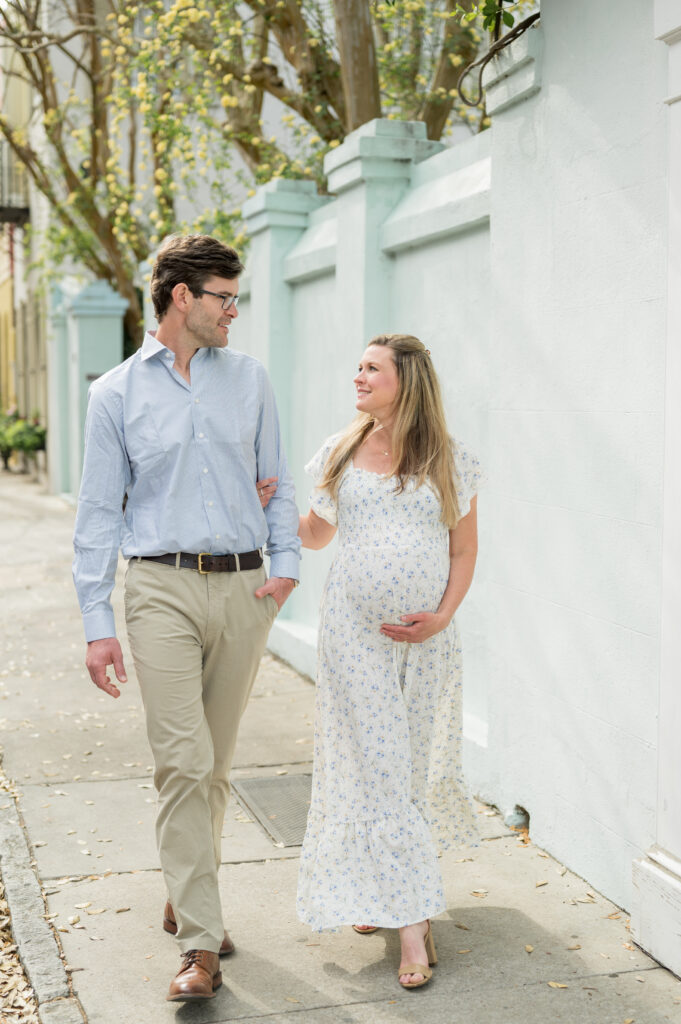
It’s not your fault for asking it – it’s what most people assume photography is about.
Here’s what actually makes a family photo work.
Light Does More Work Than Any Pose
Good light covers a lot. It softens faces, creates depth, and gives an image a quality that no amount of posing can manufacture. Bad light does the opposite. It flattens everything, creates unflattering shadows, and makes even the most willing family look stiff and uncomfortable.
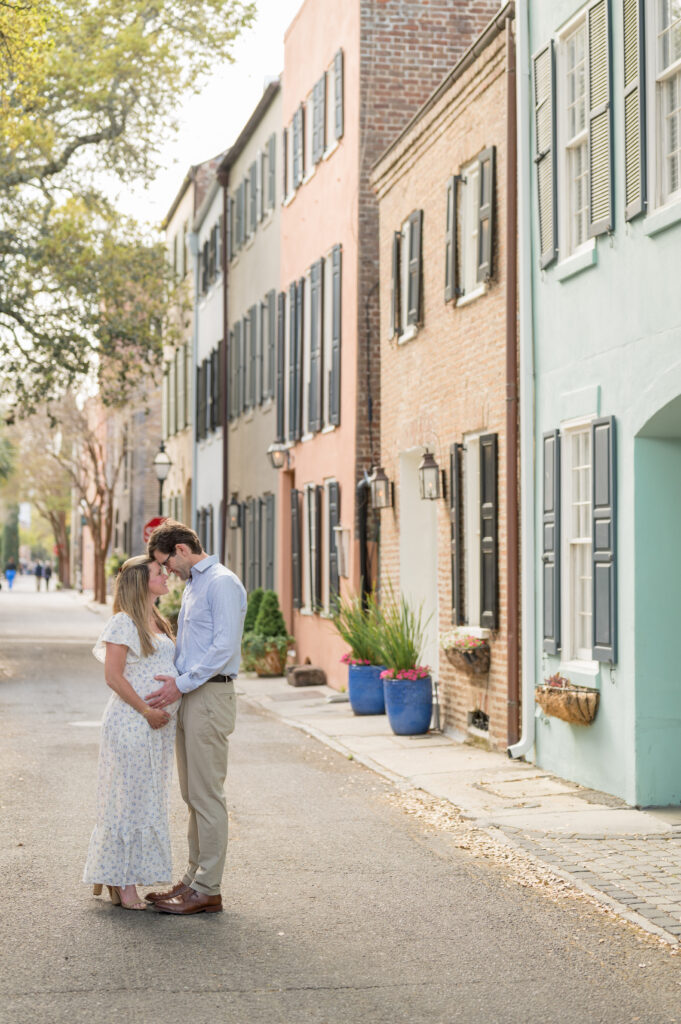
This is why I almost always recommend late afternoon sessions. In Charleston, the light in the hour before sunset comes through at an angle that is genuinely hard to replicate at other times of day. At White Point Garden, it filters through the live oaks and lands in a way that feels warm and unhurried. At Shem Creek, it reflects off the water and wraps around your family in a completely different way.
These aren’t aesthetic preferences. They’re practical decisions that have a direct effect on what your images look like.
Location Shapes Everything Else
The location sets the tone before I take a single frame. It determines the color palette, the mood, the kind of movement that’s possible, and how relaxed your family feels.
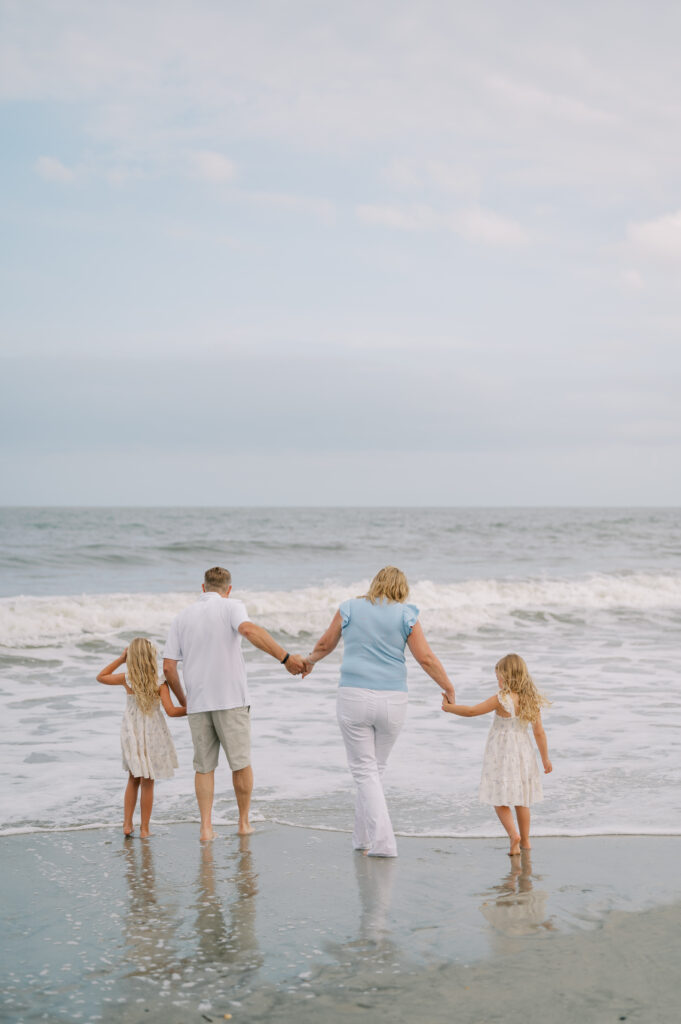
I shoot in a handful of locations around Charleston and the surrounding areas, and I choose them carefully because I know how they behave at different times of day and across different seasons. College of Charleston’s Cistern Yard has a completely different energy from Kiawah Beachwalker Park. Wragg Square gives you something intimate and canopied. White Point Garden gives you harbor lights and Spanish moss and a sense of place that is specific to Charleston in a way that’s hard to find anywhere else.
If you’re staying at one of the Kiawah Island properties – The Sanctuary, or other Kiawah properties – it’s worth checking with the property about permits before we plan around a specific spot. I’ll walk you through all of that ahead of time.

The right location for your family depends on what you’re going for, how old your kids are, and what time of year it is. That’s a conversation worth having before we book, and I’m happy to have it.
Posing Is the Smallest Part
Once the light is right and the location fits, posing becomes almost irrelevant. I give subtle direction when it helps – where to stand, how to orient toward each other – but I’m not choreographing a series of poses. I’m creating conditions where something real can happen and then paying attention until it does.

The images that families respond to most strongly are almost never the ones where everyone is standing perfectly still. They’re the ones where someone is laughing because something went slightly off, or a kid is mid-movement, or two people are looking at each other instead of the camera.
That’s not an accident. That’s what happens when the light is right, the location is comfortable, and you’re not spending the session thinking about your hands.
What This Means for Your Session
When we work together, I’ll handle the location and timing decisions. You don’t need to come in with a shot list or a set of poses you’ve saved from someone else’s session. What I need from you is to show up, be present with your family, and let me pay attention to the rest.

If you’re visiting Charleston, fall and winter are genuinely great times to shoot. The light is softer and the beaches are quieter and more private than in summer. Spring is beautiful at the College of Charleston Campus and around the Historic District. Summer sessions work best in the late afternoon when the heat is dropping and the light along the coast is at its best.
Whatever the season, the approach stays the same. Good light. The right location. And enough space for your family to just be your family.
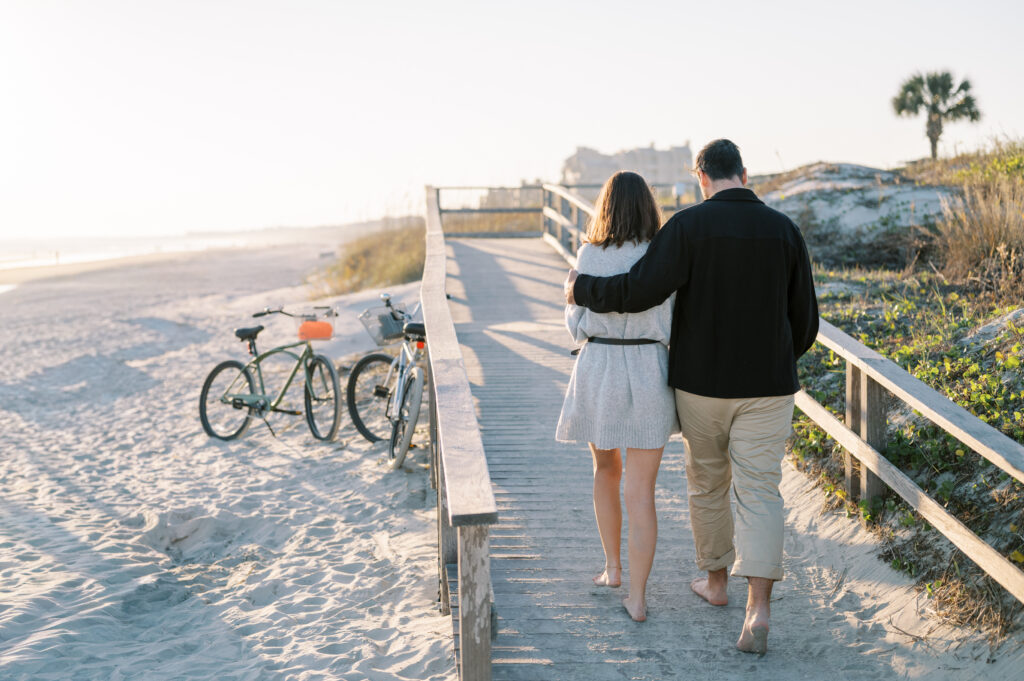
If you’re planning a session in Charleston or visiting from out of town, I’d love to help you figure out the right location and timing. Send me a message and let’s start there.